Flying on reflex
Bastienne Wentzel


The reflex profile is as old as the earliest aircraft. A century ago, designers started using an airfoil with the trailing edge curved up to increase the safety and stability of early aircraft. When the first paragliders came along in the late seventies and eighties, a reflex profile wasn't the obvious choice because it meant increased sink over other airfoil shapes. Early pilots just wanted to stay airborne.
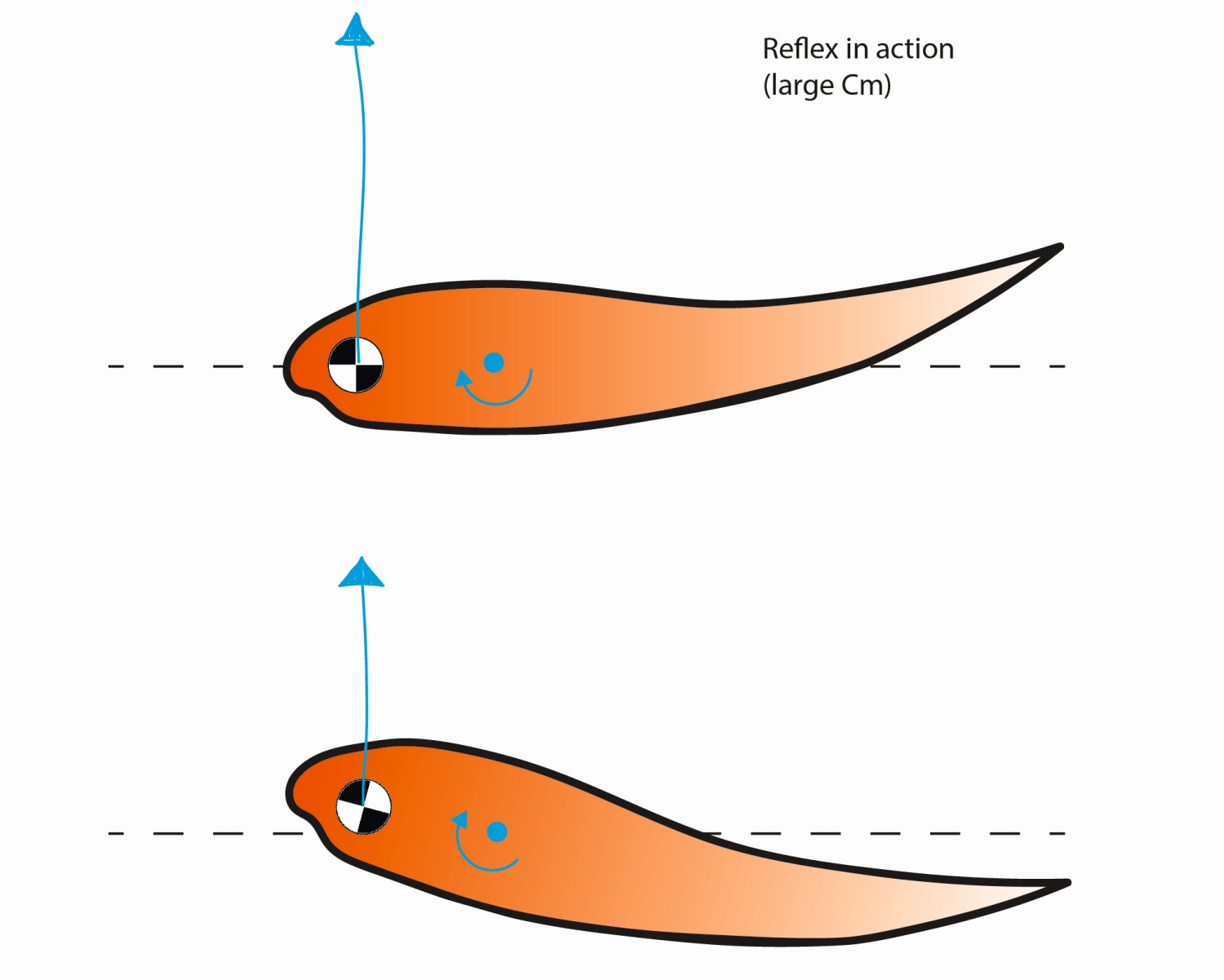
But once the paramotor engine was developed to support flight and recover lost height, the benefits of a reflex profile became obvious. At the turn of the millenium the first reflex profiles appeared on paramotor canopies. They gave more stability to the wings and therefore the possibility to fly faster.

The reflex profiles used for free flight wings in the beginning were very pronounced. Wojtek Domański, co-owner at Dudek, explains: "They had all the benefits of a strong reflex but also the disadvantages. This was improved in the past 25 years and it is now much more subtle. Reflex is now embedded in almost all wings."
(...)

The full feature was published in Cross Country magazine 265, May/June 2026.